Entry · Ref QO0DJWZD
Hot Dog Variations Inspired by Street Food Around the World
- Posted
- 2026-11-09
- Last amended
- 2026-11-09
- Account
- @louisrceg135

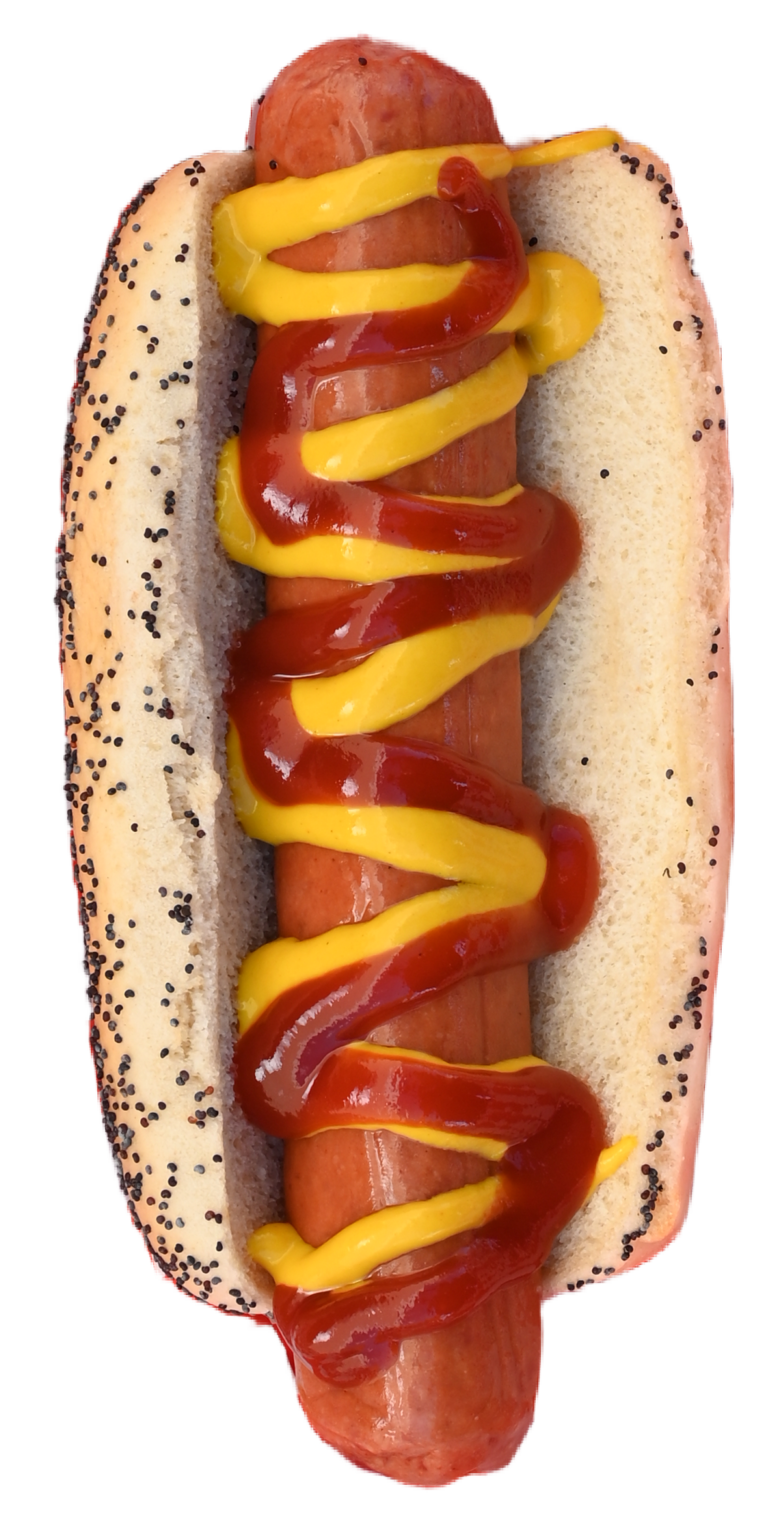

The hot dog has always been a practical food. It is portable, fast, forgiving, and unusually good at carrying strong flavors. That last trait is what makes it such a natural partner for street food ideas from around the world. A sausage in a bun is not a rigid formula. It is a framework, one that can absorb the habits of a night market, a roadside grill, a train station snack cart, or a beachside stand without losing its identity.
When cooks talk about fusion, the term can feel vague or overused. With hot dogs, though, the results are often plain to see and taste. A hot dog topped with curtido and crema clearly nods to Central American street food. One slicked with kewpie, furikake, and pickled ginger unmistakably borrows from Japan. These variations work because the hot dog already lives in the same broad family as many beloved street snacks: hand-held, salty, affordable, and built for appetite rather than ceremony.
The best versions are not random piles of condiments. They respect balance. Every serious street vendor understands this instinctively. Richness needs acid. Soft bread benefits from crunch. Spice needs either sweetness or fat, sometimes both. A successful globally inspired hot dog does not chase novelty for its own sake. It borrows the logic of another dish, then adapts it to the bun.
Why the street food lens works so well
Street food tends to favor high-impact ingredients. Sauces are concentrated. Pickles are assertive. Textures are deliberate because the food must impress quickly, often in a few bites while standing on a curb or weaving through a crowd. A plain grilled sausage can disappear under timid toppings, but it thrives under the kinds of components common to street stalls: onion relishes, chile pastes, chopped herbs, crunchy slaws, yogurt sauces, and bright ferments.
Another reason this approach succeeds is that the hot dog itself is already internationally flexible. Across North America, Europe, Latin America, and parts of Asia, sausage and bread combinations show up in countless forms. Some are rustic and meat-forward. Others lean heavily on sauce and garnish. A hot dog sits comfortably among them, provided the bun is decent and the toppings are handled with restraint.
That restraint matters. The line between abundant and clumsy is thinner than many people think. One of the most common mistakes in globally inspired hot dogs is overloading the bun with too many wet toppings. Street vendors avoid this because speed and eatability matter. If the bun collapses after the second bite, the concept may be flavorful but it is not successful.
Starting with the sausage and bun
Before thinking about Seoul, Sonora, or Stockholm, it helps to get the foundation right. Not every sausage suits every topping style. A heavily smoked frank can overpower delicate garnishes like herb salads or lightly pickled vegetables. A mild all-beef dog is more versatile. Pork-forward sausages, especially those with garlic or paprika, can support stronger topping profiles such as Balkan ajvar or a curry-onion relish.
The bun deserves equal attention. Soft supermarket buns work for classic American builds, but some global variations improve dramatically with a sturdier roll. A toasted split-top bun is useful when you expect a lot of sauce. A lightly crusted roll can stand up to juicy toppings like tomato-based ragouts or sautéed peppers. There is no need to turn the hot dog into a sandwich project, but bread texture changes the experience more than people often realize.
Heat level matters too. If the sausage comes straight from simmering water, toppings can feel flat. A griddled or grilled finish creates browning, and browning creates depth. Street food relies on that kind of direct flavor. Char on the sausage edges gives a hot dog enough backbone to hold kimchi, harissa, chimichurri, or tamarind glaze without tasting muddled.
Mexico City, Sonora, and the many lessons of Latin street carts
Some of the most compelling hot dog variations in the world come from Latin American street culture, where vendors understand excess without losing control. In parts of Mexico, especially northern regions, bacon-wrapped dogs loaded with beans, salsa, onions, jalapeños, and crema have become iconic. The Sonoran style gets most of the press, and for good reason. It has drama, texture, and generosity. Yet what makes it memorable is not just quantity. It is the way creamy beans cushion the sausage, while fresh salsa and chiles cut through the fat.
This style teaches an important lesson: soft components need a sharp counterpart. If you are building a Latin-inspired hot dog at home, a spoonful of warm pinto beans and a ribbon of crema create comfort, but a hit of pickled onion or charred salsa verde is what keeps the dog lively. Without that acidity, the whole thing drifts into heaviness.
There are quieter regional cues worth borrowing too. Salvadoran curtido, that lightly fermented cabbage slaw often served with pupusas, makes an excellent hot dog topping. It brings crunch, sourness, and subtle oregano notes. Pair it with a mild sausage, a little crema, and perhaps a tomato salsa, and the result feels coherent rather than gimmicky. Colombian street food offers another smart move: crushed potato chips or shoestring potatoes for crunch. On a hot dog, they add the sort of crispness that chopped onions alone cannot always provide.
Brazil also deserves mention. The Brazilian cachorro-quente can be exuberant, sometimes topped with corn, peas, potato sticks, and saucy tomato mixtures. For some eaters it crosses the line into maximalism. Even so, there is a useful principle in that style. Starchy crunch, especially from crisp potato sticks, is remarkably effective on a hot dog. It adds height and contrast while keeping the flavor profile friendly.
East Asia brings precision, acid, and umami
Street food from East Asia often excels at layering savory flavors without making them feel blunt. That sensibility can transform a hot dog from familiar to unexpectedly polished. Consider a Japanese-inspired version. A lightly grilled sausage brushed with soy and mirin reduction, topped with kewpie mayonnaise, pickled ginger, sliced scallions, and furikake, can be deeply satisfying. The mayo contributes richness, the ginger resets the palate, and the furikake brings salinity and texture.
The trick here is moderation. Furikake is potent. Too much and the dog tastes dusty or overly marine. Pickled ginger can also dominate if piled on. A few delicate strips do more work than a fistful. Japanese-inspired hot dogs tend to shine when they remain tidy.
Korean street food offers a bolder route. Kimchi is one of the best hot dog toppings ever invented, whether or not it was intended for that purpose. It solves multiple problems at once by adding acid, chile heat, garlic, and crunch. A Korean-style hot dog can be as simple as grilled sausage, kimchi, gochujang mayo, and sesame seeds. Add thinly sliced cucumber or https://riverqfum582.huicopper.com/unexpected-ingredients-that-taste-amazing-on-a-hot-dog scallions if you want freshness. If you want sweetness, a small brush of bulgogi-style glaze on the sausage gives the whole build a glossy depth.
One caution with kimchi: drain it or chop it just before using. Excess liquid turns the bun soggy fast. Street vendors know moisture management is part of flavor management.
Taiwanese night market flavors can also adapt beautifully. Sausage paired with pickled mustard greens, garlic, basil, and a touch of sweet chili sauce lands in a compelling sweet-salty-herbal zone. It is less familiar than the Korean route, but just as effective when handled carefully.
South and Southeast Asia offer spice with structure
Some globally inspired hot dogs fail because they mistake heat for complexity. South and Southeast Asian street food reminds us that spice works best when it comes with aroma and architecture. Chaat-style thinking is especially useful here. Imagine a hot dog topped with a spoon of spiced chickpeas, tamarind chutney, mint-cilantro sauce, finely chopped onion, and sev. Suddenly the bun carries sweetness, sourness, herbs, crunch, and warm spices in a way that feels lively rather than chaotic.
This kind of build demands a milder sausage. If the frank is too smoky or aggressively seasoned, the chaat components compete rather than harmonize. A neutral chicken or beef dog often works better. The sev should go on at the last second so it stays crisp. Small details like that separate a smart variation from a muddled experiment.
From Thailand, the most useful influences are bright herbs, peanuts, fish sauce, and balanced chile sweetness. A Thai-inspired hot dog can feature a quick slaw of cabbage, carrot, lime, and fish sauce, then finish with chopped peanuts and cilantro. It is tempting to add peanut sauce, but that can become heavy if the slaw is already dressed. Often a thinner chile-lime mayo does the job more cleanly.
Vietnamese flavors are almost tailor-made for the format. A banh mi inspired hot dog, with pickled daikon and carrot, cucumber, cilantro, jalapeño, and a swipe of pâté or mayo, can be exceptional. The only real danger is overcrowding the bun with too many long-cut vegetables. Street-food logic suggests trimming everything to fit the bite. Every component should be present, but none should drag out the side or fall into your lap.
The Middle East and Mediterranean keep things bright
Hot dogs can benefit enormously from the herb-heavy, acid-forward habits of the eastern Mediterranean and the Middle East. These cuisines understand grilled meat deeply, and that knowledge translates well. A lamb or beef sausage topped with tzatziki, chopped cucumber, tomato, red onion, dill, and a dusting of sumac immediately feels fresher than many cream-and-cheese-heavy dogs.
Still, there is a balance to strike. Cucumbers release water. Tomatoes do the same. If both are heavily salted in advance, the bun will suffer. Better to dice them just before assembly and let the yogurt sauce carry most of the moisture.
Harissa is another outstanding hot dog condiment, provided it is used with judgment. A thin layer under grilled onions can make a sausage taste more robust and complex without overwhelming it. Pair harissa with a cooling element, perhaps yogurt or a lemony cabbage slaw, and the dog gains contrast. Left alone, harissa can make the whole experience one-dimensional.
Turkish and Levantine street foods also suggest smart garnish choices: parsley, pickled turnips, tahini sauces, and pepper pastes. Ajvar, the Balkan roasted pepper spread often found around southeastern Europe, deserves special praise. On a hot dog, it adds sweetness, smoke, and body. It is particularly good with pork sausages and grilled onions.
Europe shows how simplicity can still travel
When people think of international hot dog ideas, they often jump to maximalist topping combinations. Europe is a useful counterweight. Some of the best street-style sausage traditions rely on just a few ingredients, chosen well. Think of the currywurst logic from Germany, adapted into a hot dog format with curried ketchup, crisp onions, and maybe a few fries tucked alongside rather than on top. It is not flashy, but it is coherent.
From Scandinavia, pickled elements and remoulade-style sauces offer excellent inspiration. Danish hot dog stands, for instance, often understand the value of crunchy fried onions and tangy pickles better than almost anyone. Those toppings sharpen a sausage without burying it. This style is a reminder that the hot dog should still taste like a hot dog. Not every variation needs twelve ingredients to feel worldly.
French and Belgian street food bring another practical idea: caramelized onions cooked slowly until sweet, then sharpened with mustard or a little vinegar. That pairing gives the bun warmth and depth while preserving elegance. It is easy to dismiss onions as basic, but properly cooked onions can do more for a hot dog than many trendy sauces.
How to build one without losing the plot
Most failed hot dog variations break down in predictable ways. Too many toppings, too much moisture, or no clear flavor direction. When I test combinations, I try to identify the dominant note first. Is the dog supposed to read as smoky, spicy, tangy, herbaceous, or creamy? Once that answer is clear, the rest of the toppings should support it rather than compete.
A useful working formula looks like this:
- One rich element, such as mayo, crema, yogurt sauce, or beans
- One acidic or pickled element, such as kimchi, curtido, pickled onion, or cucumber
- One textural accent, such as fried onions, peanuts, potato sticks, or sesame seeds
- One fresh note, such as herbs, scallions, or diced vegetables
- One focused sauce or spice profile, not three competing ones
That is not a law, but it is a reliable checkpoint. If a hot dog contains two creamy sauces, a wet salsa, and juicy chopped tomatoes, the bun has already lost. If it includes kimchi, gochujang mayo, grilled scallions, and sesame, you have a clear idea with enough contrast to keep each bite interesting.
A few combinations that consistently work
Not every world-inspired variation survives repeat cooking. Some sound exciting and then wear out after two bites. The following combinations have staying power because each has an internal logic.
| style | key toppings | why it works | |---|---|---| | Sonoran-inspired | bacon wrap, pinto beans, salsa verde, crema, pickled jalapeños | smoky, creamy, spicy, acidic | | Korean-inspired | kimchi, gochujang mayo, scallions, sesame | sharp fermentation balances fat | | banh mi-inspired | pickled daikon and carrot, cucumber, cilantro, jalapeño, mayo | bright crunch and herb lift | | Mediterranean-inspired | yogurt sauce, cucumber, dill, sumac, red onion | cooling freshness suits grilled sausage | | Japanese-inspired | kewpie, pickled ginger, scallions, furikake | concentrated umami with clean finish |
Each of these can be adjusted without losing character. If kimchi is too assertive for your crowd, a quick spicy cucumber pickle can soften the effect while keeping the Korean cue. If a banh mi style feels too vegetable-heavy, drop the cucumber and keep the pickles and cilantro. Real-world cooking always involves compromise, especially when ingredients vary from market to market.
Practical details that matter more than trendiness
A hot dog is a fast food, but it still rewards technique. Toasting the bun is one of the easiest upgrades. Even a light toast creates a barrier against moisture and adds a hint of nuttiness. Warming sauces matters too. Cold, thick condiments straight from the refrigerator can mute flavor and make the sausage cool too quickly.
Chopping size is another overlooked factor. Onions cut too large become awkward. Herbs left in giant sprigs pull out in one bite. Street food is finger food, and finger food needs clean bite geometry. Small, intentional cuts make a big difference.
There is also the question of audience. A street-food-inspired hot dog for a backyard cookout needs slightly different calibration than one made for a menu special or a food stall. At home, people are usually holding a plate, so a looser build can be acceptable. At an event, portability matters more. That is when you simplify. One pickle, one sauce, one crunch, no slippery extras.
Cost plays a role as well. Some global ingredients are expensive or hard to source depending on where you live. The good news is that many of the most effective toppings are affordable: cabbage, onions, herbs, yogurt, pickles, canned beans, and chile sauces. You do not need obscure pantry items to make a hot dog taste traveled. You need contrast and intention.
What these variations reveal about the hot dog
For all its humble reputation, the hot dog is remarkably revealing. It shows whether a cook understands proportion. It exposes whether toppings are being chosen for flavor or just visual impact. It rewards cooks who think like street vendors, people who build food for appetite, movement, and memory.
Street food around the world tends to share a few values. It is direct. It is efficient. It knows exactly what kind of pleasure it wants to deliver. When those values guide a hot dog, the result can be much more than a novelty item at a summer party. It can be a compact expression of another food culture’s strengths, translated into a form that is familiar, approachable, and deeply satisfying.
That is why these variations endure. Not because the hot dog needs rescuing, but because it is sturdy enough to travel. One bun, one sausage, a few well-judged toppings, and suddenly a very old idea feels new again.
Under Construction Hot Dogs
1225 W U.S. Hwy 50, Pueblo, CO 81008
FAQ About hot dog
What are different types of hotdogs?
Under Construction Hot Dogs offers a classic all-beef hot dog, a quarter-pound Jumbo Dog, a Chili Dog, and a Chicago Dog, along with brats and a Spicy Link.
What does a chili dog have on it?
Our Chili Dog pairs a Vienna all-beef hot dog with chili, shredded cheddar cheese, and finely diced onions.
What is in a traditional Chicago dog?
Our Chicago Dog comes on a steamed poppy seed bun with yellow mustard, bright green relish, onions, tomato wedges, a pickle spear, sport peppers, and celery salt.