Entry · Ref IH0_QIJG
How to Make Hot Dogs Taste Better with Minimal Effort
- Posted
- 2026-11-09
- Last amended
- 2026-11-09
- Account
- @louisrceg135
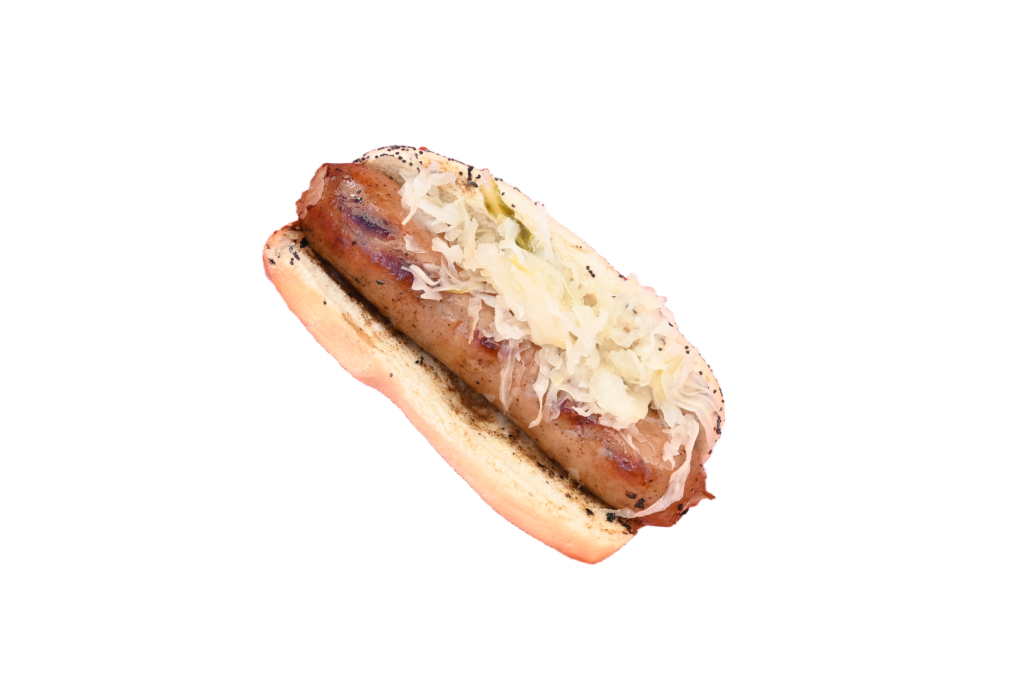
A hot dog is one of the easiest foods to make badly and one of the easiest foods to improve. That gap is what makes it interesting. You can pull a pack from the fridge, warm a few links, drop them into soft buns, and dinner is technically done. But with just a handful of small choices, the same hot dog can taste far better, with almost no extra work, money, or time.
Most people assume better hot dogs require fancy toppings, a grill, or a long list of condiments. In practice, the biggest gains come from basics that are often ignored: how the dog is heated, whether the bun gets any attention, whether the condiments balance salt and fat, and whether texture is doing any work. A hot dog is already rich, salty, and soft. If everything around it is also rich, salty, and soft, the whole thing falls flat. The trick is contrast.
I have cooked hot dogs for backyard gatherings, late-night family meals, and rushed weeknight dinners where nobody wanted a project. The best improvements were rarely dramatic. They were small, repeatable habits. Toast the bun. Add something acidic. Use less of one condiment and a little more of another. Brown the outside of the hot dog instead of just heating it through. These are not chef tricks. They are common-sense adjustments that make a cheap dinner feel far more deliberate.
Start by choosing the right kind of hot dog
Not every hot dog tastes the same, and no amount of relish can rescue one with a weak texture or muddy flavor. If you have options, choose all-beef hot dogs for a firmer bite and a cleaner, more savory profile. They usually deliver the classic snap people want. Mixed-meat hot dogs can still be good, but they vary more, and some lean soft or overly salty without much depth.
If you shop at a standard supermarket, look at package language. “Uncured” versus “cured” matters less to flavor than many people think. More useful clues are whether the dogs are skinless or have a natural casing. Natural casing hot dogs tend to snap when you bite them, which gives the whole experience more structure. Skinless hot dogs are softer and more uniform. Neither is wrong, but if the hot dog itself feels a little limp or bland, a casing often helps.
Size matters too. Extra-thick dogs can be satisfying, but they are harder to heat evenly without splitting or drying. Standard-size links are often the sweet spot for low-effort cooking. They warm quickly, fit supermarket buns properly, and leave room for toppings without becoming a balancing act.
None of this means you need premium butcher-shop franks. A decent grocery-store hot dog, handled well, can beat an expensive one that was microwaved into a rubber tube.
The heating method changes everything
The fastest mistake is boiling the hot dog aggressively and leaving it there. You can do better without slowing down.
Hot dogs are already cooked. Your job is to heat them and improve the surface. Browning creates flavor. Gentle heating keeps the inside juicy. The best low-effort methods do both.
Pan-searing is hard to beat. Put a skillet over medium heat, add a small splash of water, and lay in the hot dogs. The water helps them heat through without scorching. Once it evaporates, the surface starts to brown. Roll them around for another minute or two and you get a https://zaneqywp678.dovetailscope.com/posts/hot-dog-ideas-for-quick-after-school-snacks more flavorful exterior with almost no fuss. This takes about five to seven minutes and produces a better result than plain boiling.
If you are cooking for a crowd, the oven is underrated. Put the hot dogs on a sheet pan and roast them at around 400°F until hot and lightly blistered, usually 10 to 15 minutes depending on thickness. They will not get the same deep sear as a skillet, but they will taste more concentrated than boiled dogs and require almost no attention.
Grilling is excellent when you already have the grill going, but it is not automatically better if the heat is too high. A hot dog with blackened stripes and a cold center is not a win. Moderate heat gives you a more even result. Roll the links often and pull them as soon as the casing tightens and the color deepens.
Microwaving is the emergency option. If that is all you have, wrap the hot dog in a paper towel so it steams gently instead of drying at the edges. It still helps to finish it in a pan for 30 seconds if possible. That brief contact with heat can make an otherwise dull hot dog taste like someone cared.
Never ignore the bun
People will spend money on toppings and then put them on a cold, squashed bun that tastes like packaging foam. The bun matters because it frames every bite. A good hot dog bun should be soft enough to compress without cracking, but sturdy enough not to dissolve under mustard or chili.
The easiest improvement is to warm it. Ten seconds in the microwave wrapped in a slightly damp paper towel works. Better still, toast the inside lightly in a skillet or on a grill. You do not need a crunchy bun. You want a little color and a faint crust where it touches the hot dog. That subtle contrast changes the texture of the entire bite.
A buttered bun is even better, especially if the hot dog itself is plain. Spread a very thin layer of butter on the cut sides and toast until lightly golden. It sounds indulgent, but you are using just enough fat to carry flavor and encourage browning. The payoff is disproportionately large.
If your buns are stale, steam can rescue them. A few seconds over simmering water or wrapped in a damp towel will soften them enough to be usable. It is a practical move for cookouts and one of those small details that keeps a meal from feeling accidental.
Salt, acid, sweetness, and crunch are the real upgrade path
A hot dog is fatty, salty, and smooth. Once you understand that, improving it becomes easy. You do not need more richness nearly as much as you need contrast.
Mustard works because it brings acid. Relish works because it adds sweetness and tang. Sauerkraut works because it cuts through the fat and adds texture. Raw onion works because it is sharp and crunchy. Pickled jalapeños work because they bring heat and acidity at the same time.
This is why some overloaded hot dogs taste worse than plain ones. When you stack ketchup, cheese sauce, bacon, mayo-based slaw, and a soft bun onto an already rich hot dog, the result can feel heavy and one-note. Rich toppings can be great, but they need something brisk to keep the bite lively.
One of the best habits is to think in pairs. If you add something creamy or sweet, add something sour or sharp. If the hot dog is soft, add crunch. If it is very smoky, keep the toppings cleaner and brighter. That level of judgment sounds technical, but in practice it becomes instinct fast.
The easiest upgrades that actually matter
Most minimal-effort improvements fit into a few categories. They take seconds, not skill.
- Brown the hot dog in a skillet instead of boiling it.
- Warm or toast the bun before assembling.
- Add one acidic topping such as mustard, sauerkraut, pickles, or pickled peppers.
- Add one crunchy element such as diced onion, celery salt chips on the side, or coleslaw.
- Use fewer condiments, but choose them more deliberately.
That last point is worth emphasizing. More toppings do not equal more flavor. They often blur into a salty paste. A hot dog with mustard, finely diced onion, and relish is often far better than one buried under six sauces.
Condiments should support the hot dog, not bury it
Mustard is probably the most efficient condiment in the hot dog world. A small amount wakes everything up. Yellow mustard is sharp and familiar. Dijon adds a stronger, more adult bite. Spicy brown mustard brings texture and a little heat. Any of them can work, but each creates a different mood. Yellow mustard suits classic summer cookout flavor. Dijon is excellent with grilled or all-beef dogs. Spicy brown pairs nicely with onions and kraut.
Ketchup is more divisive, but the real problem with ketchup is quantity. A thin line can bring sweetness and tomato tang. A heavy squeeze overwhelms the meat and makes the bun soggy. If you like ketchup, keep it in balance. It is better as a supporting player than as the whole show.
Relish is useful because it delivers sweet, sour, and aromatic notes at once. Bright green supermarket relish is nostalgic and effective, even if it is not subtle. Chopped dill pickles can be even better if you want more bite and less sugar. Sauerkraut is one of the best low-effort toppings because it tastes like you tried harder than you did. Drained well and warmed slightly, it gives a hot dog depth and brightness with almost no labor.
Mayonnaise is less common, but in the right context it works. A thin layer on a toasted bun can improve mouthfeel and help other flavors cling. Still, it needs balance. Pair it with something acidic or spicy so the sandwich does not tip into bland richness.
A few topping combinations that rarely fail
When you want something better than the default but do not want to think much, reliable combinations are your friend.
- Yellow mustard, sweet relish, and diced white onion for a balanced classic.
- Spicy brown mustard and warm sauerkraut for a sharper, more savory bite.
- Ketchup, mustard, and chopped dill pickles for a familiar but brighter version of the basic dog.
- Creamy coleslaw and pickled jalapeños for soft-crisp contrast with a little heat.
- Chili and finely shredded cheese, finished with onion, when you want a heavier, diner-style hot dog.
These work because each one balances fat, acid, sweetness, and texture. Even the chili version, which is the richest of the group, improves dramatically when onion is added at the end. That sharp finish keeps the whole thing from feeling tired halfway through.
The onion question
Onions do more for a hot dog than almost any other topping. Raw white onion is the standard for a reason. It is crisp, hot, and clean. A small spoonful changes the bite immediately. If someone in your house thinks they dislike onion on a hot dog, try cutting it finer. Large chunks dominate. Tiny dice distribute flavor.
Cooked onions create a different effect. They are softer, sweeter, and more rounded. If you have five extra minutes, letting sliced onion soften in the same skillet after the hot dogs come out is an excellent move. The pan already has rendered fat and browned bits, so the onions pick up flavor fast. This works especially well with mustard or chili.
Pickled onions are another smart shortcut if you happen to keep them around. They give you crunch, color, and acidity at once. A bright pink pickled onion on a hot dog looks more impressive than the effort involved.
Heat should be focused, not chaotic
Spice can make a hot dog taste better, but random heat is less effective than targeted heat. A few pickled jalapeños or a dab of hot sauce can sharpen the whole bite. What you want is a clean edge, not a scorched palate.
Fresh jalapeños bring grassy heat and crunch. Pickled jalapeños are more useful for most people because they add acid too. Hot sauce works, but it helps to choose one that complements the dog rather than dominating it. A vinegar-forward sauce tends to play well. Extremely smoky or super-hot sauces can flatten the rest of the flavors.
If you are serving a group, offer heat at the table rather than building it into every hot dog. People tolerate spice differently, and a hot dog should feel casual, not like a test of endurance.
Texture is where cheap hot dogs often lose
A hot dog can taste perfectly seasoned and still feel disappointing if every component is soft. This is why toasted buns matter so much. It is also why raw onion, slaw, chopped pickles, and kraut do heavy lifting beyond flavor.
Crushed potato chips inside the bun may sound like a novelty, but they can work surprisingly well, especially with plain mustard and a grilled dog. The chips add salt, crunch, and a little fried-potato flavor without needing any prep. It is not elegant, but it is effective. The same logic applies to crispy fried onions from a canister. Used lightly, they add texture and savory depth in seconds.
Cheese is where many people accidentally reduce texture. Melted cheese softens everything around it. If you use cheese, compensate with onion, pickles, or jalapeños. Otherwise the hot dog can become monotonous after the first few bites.
Small mistakes that make hot dogs worse
The most common problem is excess moisture. If sauerkraut is wet, if relish is piled on, if ketchup is heavy, and if the bun is cold, the bread gives up quickly. Drain wet toppings and use restraint. A hot dog should feel juicy, not waterlogged.
The second mistake is overheating. Split casings and shriveled ends mean the fat has started leaving the hot dog. Once that happens, you lose both flavor and texture. Cook until hot and plump, not until the link looks stressed.
The third mistake is treating every hot dog the same. A smoky grilled beef dog can stand up to assertive mustard and kraut. A milder chicken or turkey dog often benefits from gentler toppings and more help from the bun. Leaner dogs also dry out faster, so they need more careful heating.
The fourth mistake is defaulting to too much sweetness. Sweet relish and ketchup together can work, but if the bun is also soft and the dog itself is mild, the whole thing can taste childish rather than balanced. A little onion or mustard fixes that quickly.
Budget upgrades that feel expensive
Some of the best hot dog improvements cost almost nothing because they rely on pantry items or leftovers. If you have half an onion, a jar of mustard, and a skillet, you already have what you need for a meaningful upgrade.
Leftover slaw from takeout, a few spoonfuls of chili from last night, or pickles from the back of the fridge can transform a hot dog lunch into something satisfying. I have seen people spend more on specialty sausages than they would have spent on a package of decent buns, a yellow onion, and a jar of kraut, yet get a worse result. The supporting ingredients matter.
Celery salt is another overlooked tool. A light dusting adds a savory, slightly herbal note that makes a plain hot dog taste more finished. Use it sparingly. It is potent, and hot dogs are already salty. But in the right amount, it can pull together a simple dog with mustard and onion in a way that feels distinctly intentional.
When the hot dog itself is mediocre
Sometimes you are working with the cheapest pack available, or with whatever was left in the freezer after a party. In that case, focus on surface browning and high-contrast toppings. A mediocre hot dog improves most when you create more flavor on the outside and give it brighter companions.
Skillet browning helps the most. Then build around mustard, onions, pickles, kraut, or jalapeños rather than relying on cheese or ketchup alone. Toasted buns become even more important here because they contribute flavor the hot dog itself may lack.
If the hot dogs are very salty, avoid stacking too many salty toppings like bacon, chips, cheese sauce, or canned chili. Better to lean acidic and fresh. If the hot dogs are bland, then stronger condiments can compensate. This is one of those judgment calls that gets easier once you taste the product before building the whole meal around it.
A good hot dog should taste lively
That is the simplest standard I know. A hot dog should not taste flat, heavy, or sleepy. It should taste lively enough that you want the next bite right away. You get there not through complexity but through contrast and care at the margins.
Heat the dog properly. Give the bun a moment of attention. Add something sharp, something crisp, or both. Use a lighter hand with condiments than you think you need. These are small moves, but hot dogs respond to small moves better than almost any other convenience food.
The appeal of a hot dog has always been ease. The nice part is that making it taste better does not require giving that up. The best version is still fast, still casual, and still inexpensive. It just tastes like you knew what mattered.
Under Construction Hot Dogs
1225 W U.S. Hwy 50, Pueblo, CO 81008
FAQ About hot dog
What are different types of hotdogs?
Under Construction Hot Dogs offers a classic all-beef hot dog, a quarter-pound Jumbo Dog, a Chili Dog, and a Chicago Dog, along with brats and a Spicy Link.
What does a chili dog have on it?
Our Chili Dog pairs a Vienna all-beef hot dog with chili, shredded cheddar cheese, and finely diced onions.
What is in a traditional Chicago dog?
Our Chicago Dog comes on a steamed poppy seed bun with yellow mustard, bright green relish, onions, tomato wedges, a pickle spear, sport peppers, and celery salt.